About Cirotto
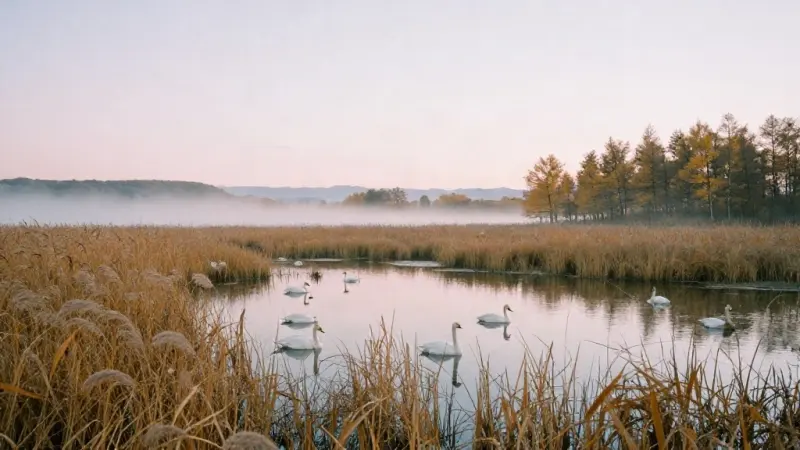
Cirotto means "the marsh with many birds"
Cirotto (チロット) is the nickname of the Makubetsu Ainu Cultural Hub. It comes from an old place name of this area.
Where the name Cirotto comes from
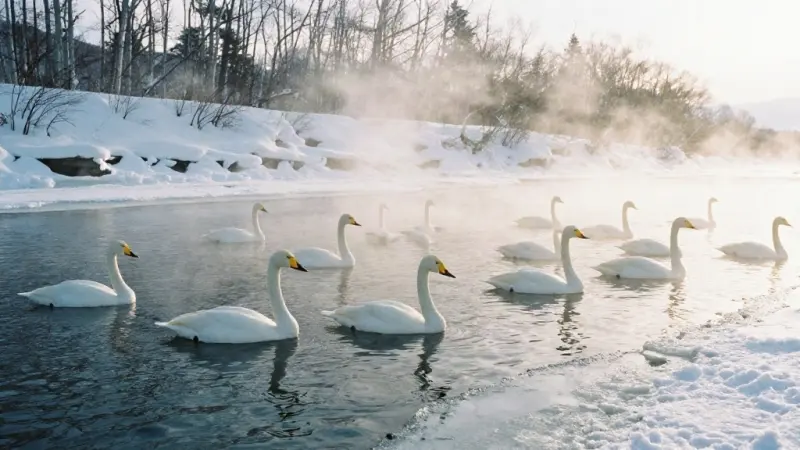
The Town of Makubetsu gives two possible origins. The first is cir (bird), ot (there are many) and to (marsh). The second is cir (bird), rok (to sit) and to (marsh).
Many Ainu people lived in Senju, and the area is said to have had a marsh where swans came. The whooper swan is also the town bird of Makubetsu.
In Roman letters the name is written cirotto. The official X account (@cirotto_maku) uses the same spelling. The c is pronounced like "ch" in English, so the name sounds like "chi-rot-to".
Two readings of the name
| In katakana | Romanized | Meaning |
|---|---|---|
| チㇼ・オッ・ト | cir / ot / to | bird / there are many / marsh |
| チㇼ・ロㇰ・ト | cir / rok / to | bird / sit / marsh |
Source: Town of Makubetsu, announcement of the opening of the Ainu Cultural Hub (Cirotto) in autumn 2026 (in Japanese). The romanization was added by this site, following the common way of writing Ainu.
Written 白人, read "Chirotto"
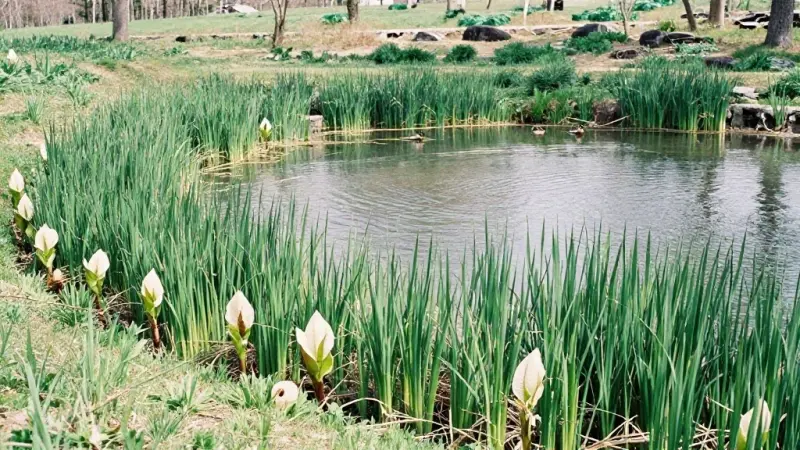
Cirotto was first the name of a marsh in Senju. It was also called チロトー, with a long final o.
In Japanese it was written with the characters 白人 and read "Chirotto". 白人 is an old district name in Senju. Characters were fitted to an Ainu place name, so the result is hard to read even for Japanese speakers.
The present name Senju (千住) was chosen because many Ainu, the indigenous people of this land, lived here.
Source: Town of Makubetsu, "Place names in Makubetsu that come from Ainu" (in Japanese)
The hub and the centre
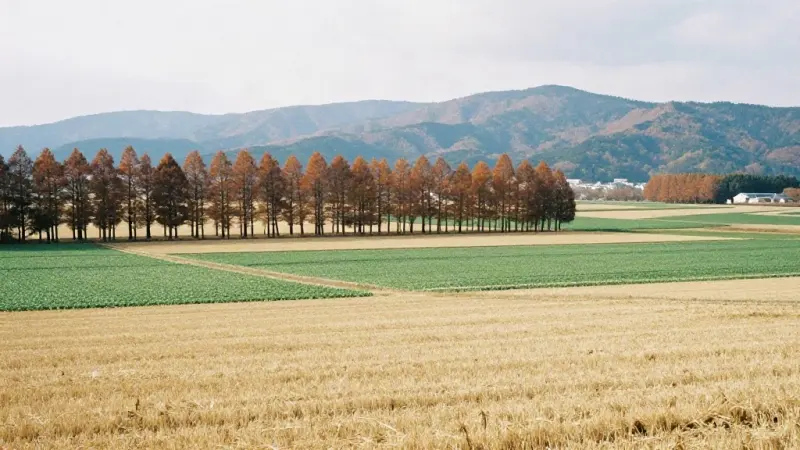
Cirotto is the nickname for the whole site. Its formal name is the Makubetsu Ainu Cultural Hub (幕別町アイヌ文化拠点空間).
The building on the site is the Makubetsu Ainu Cultural Exchange Center (幕別町アイヌ文化交流センター). This is the English name the town uses.
The centre is made up of three parts: the Community Hall "Newsar", the Exhibition Hall "Ucaskuma" and the Ezo Culture Archaeological Museum.
The halls also have Ainu names
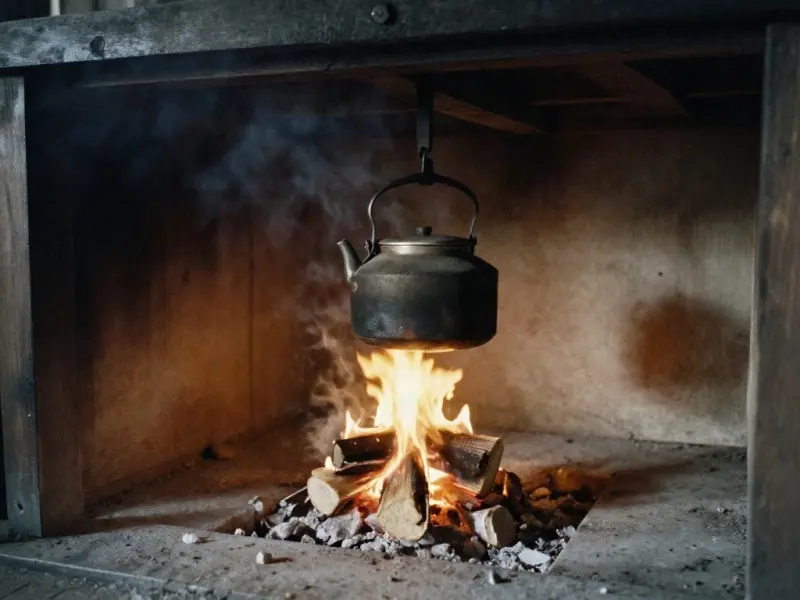
Newsar (ネウサㇽ), the Community Hall
The word means "to be glad, happy, cheerful". This is where people gather for ceremonies, cooking and handwork.
Read more
Ucaskuma (ウチャㇱクマ), the Exhibition Hall
The word means "a story handed down". This hall tells Ainu history and culture through objects and documents.
Read morePhotos are for illustration only
How Cirotto came to be
- 1896Yoshida Kikutaro is born
- 1959Yoshida Kikutaro builds the Ezo Culture Archaeological Museum in Senju
- 1965Yoshida Kikutaro dies
- 1966His family donates the building and the whole collection to the Town of Makubetsu
- March 2023The museum closes because the building has aged
- 1 September 2026Bookings open for rooms in the Community Hall
- 1 October 2026Cirotto opens. The museum building is kept after earthquake reinforcement, and its collection moves to the Exhibition Hall
Sources: Town of Makubetsu, "Makubetsu Ainu Cultural Exchange Center" and "Opening of Cirotto and start of room bookings" (in Japanese)
Makubetsu is also an Ainu name
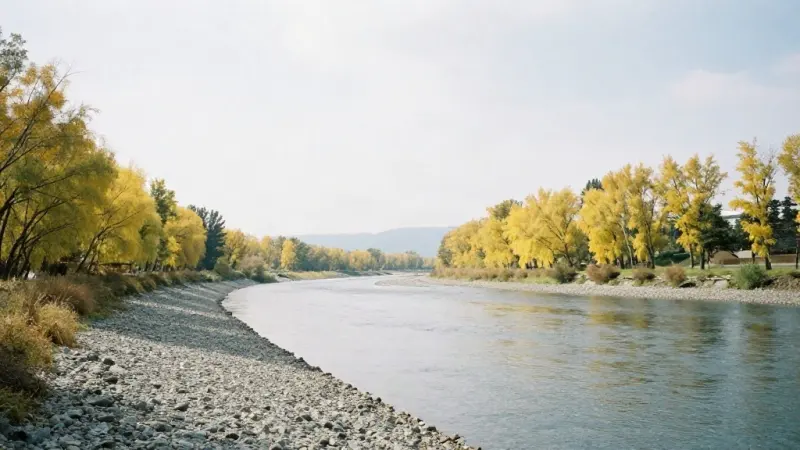
Makubetsu is thought to come from makunpet (マクンペッ, also マクウンペッ). Mak is understood as "behind", un as "to be at" and pet as "river".
The Tobetsu River runs just north of Cirotto and joins the Tokachi River a little further on. People lived here beside the rivers and the marsh.
Source: Town of Makubetsu, Cirotto leaflet (in Japanese)
The building in figures
- Building
- About 1,400 m² for the Community Hall and Exhibition Hall together. Single storey, reinforced concrete with some timber construction
- Design idea
- The whole site is planned like a kotan (コタン, an Ainu village), with the tradition room at the centre as the main house, or cise (チセ)
- On display
- About 140 items, including ritual implements and everyday tools (figure from newspaper reports)
- Total project cost
- About 1.9 billion yen (figure from newspaper reports)
Sources: Town of Makubetsu, "Basic plan for the Ainu Cultural Hub (draft)" (in Japanese); Asahi Shimbun (2 October 2026); Tokachi Mainichi Shimbun (1 October 2026)